Where Is Tissot From? The Swiss Watchmaker of Le Locle Since 1853
Tissot is a Swiss brand: founded in Le Locle in 1853, part of the Swatch Group today and still headquartered in the same town. Is it Swiss made, and who owns it?
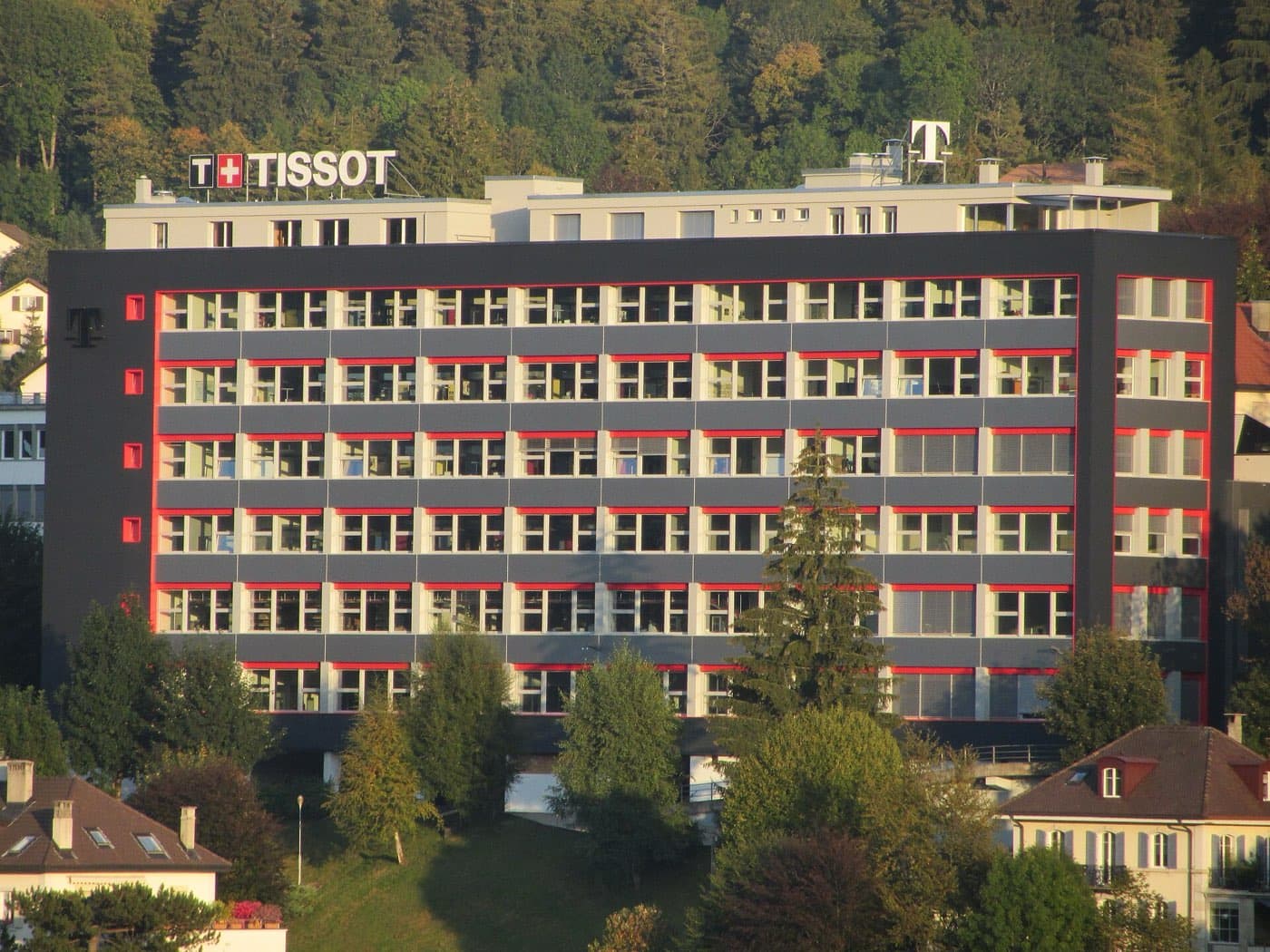
Short answer: Tissot is a Swiss watch brand. It was founded in 1853 in Le Locle, a town in Switzerland's Jura Mountains, by Charles-Félicien Tissot and his son Charles-Émile Tissot. Today it belongs to the Swatch Group, and its headquarters have stayed in Le Locle for more than 170 years.
So is Tissot Swiss made? Yes. Its dials carry the words "Swiss Made", and as we'll see below, those two words are defined by Swiss law rather than by marketing.
1853: a father and son in the Jura
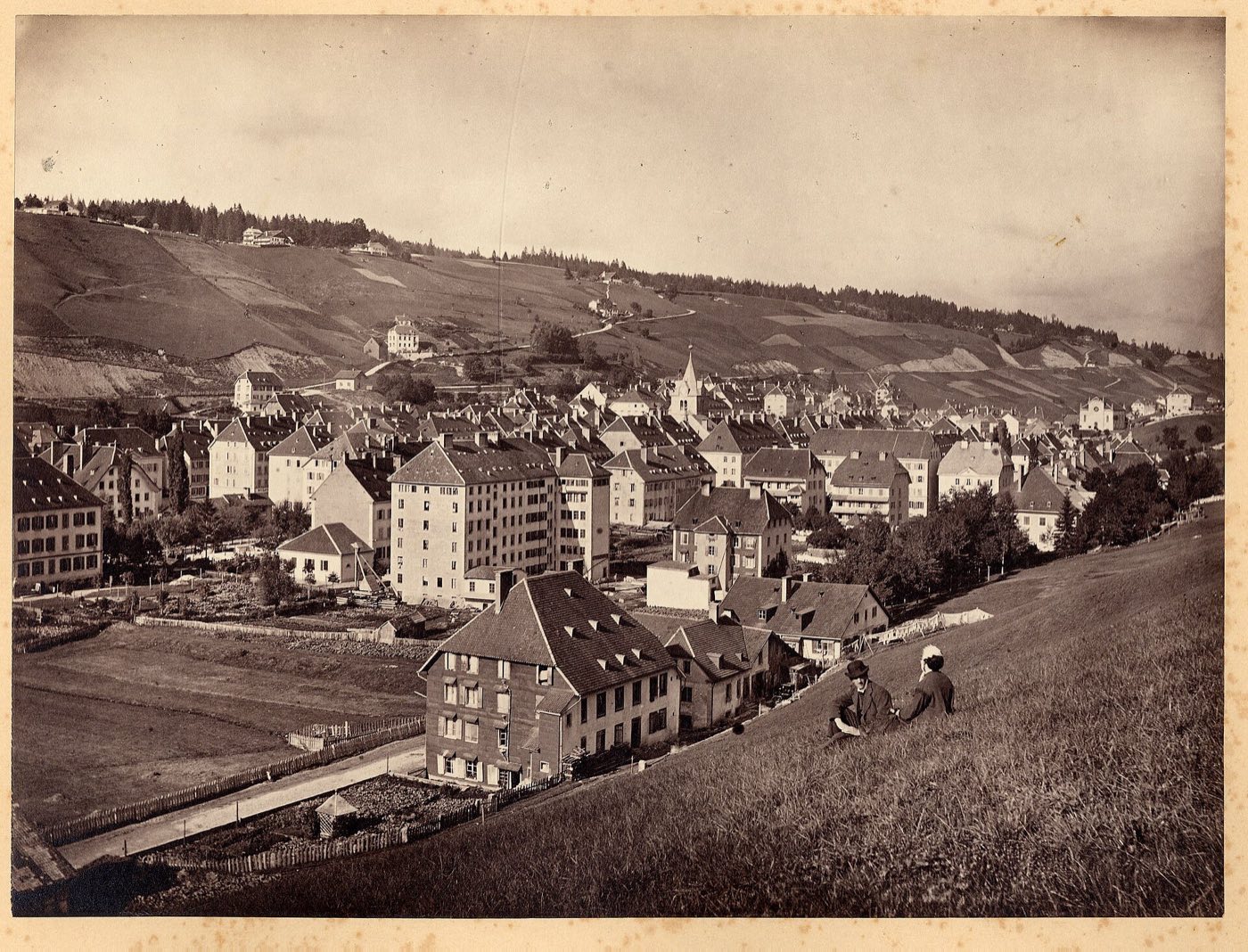
Le Locle sits close to the French border, in a region where watchmaking was a cottage industry for centuries. Together with neighbouring La Chaux-de-Fonds it is a UNESCO World Heritage site, recognised as a town whose very street plan was laid out around watchmaking workshops.
The Tissot family started there by making pocket watches. According to the brand, Tissot also released one of the first mass-produced pocket watches showing two time zones in its founding year, 1853 — a forward-looking idea at a time when railways were making travel faster than ever.
A Swiss brand's Russian chapter
Tissot's first big market wasn't Switzerland but Russia. In 1858 Charles-Émile Tissot travelled to Russia and began selling the family's pocket watches across the Russian Empire. The family later opened a branch in Moscow, and in 1885 Charles-Émile's son Charles Tissot moved there to run it.
By the end of the 19th century a Tissot pocket watch was as likely to be found in the waistcoat of a Russian aristocrat as in Switzerland — but production always stayed in Le Locle.
1930: under one roof with Omega
The crash of 1929 hit the Swiss watch industry hard. Tissot and Omega joined forces and in 1930 created a shared group, SSIH (Société Suisse pour l'Industrie Horlogère). Tissot's first antimagnetic wristwatch dates from the same years, 1929–1930 — a meaningful advance at a time when electricity, and the magnetic fields that disrupt watches, were spreading everywhere.
The partnership with Omega has lasted ever since: the two brands have been in the same group for almost a century.
1983: the quartz crisis and the Swatch Group
In the 1970s, cheap and accurate quartz watches from Japan nearly wiped out Swiss watchmaking. To save the industry, SSIH merged with the other large group, ASUAG, in 1983. The new company soon became SMH, and in 1998 took its current name, The Swatch Group.
Today Tissot sits alongside Omega, Longines, Hamilton and Swatch in the same group, and many of its movements are made in Switzerland by the group's own movement maker, ETA.
What does "Swiss Made" mean?
"Swiss Made" on a dial is a legal requirement, tightened in 2017. For a wristwatch to qualify:
- its movement must be Swiss,
- the movement must be cased in Switzerland,
- the manufacturer's final inspection must take place in Switzerland,
- at least 60% of the watch's manufacturing cost must be generated in Switzerland (excluding the strap).
Tissot watches meet these rules and carry the label. That doesn't mean every screw comes from Switzerland — it means the heart of the watch and most of its value do.
The models that define Tissot
Tissot's motto is "Innovators by Tradition". A few models that show what that means:
- 1971, Idea 2001: Tissot's first plastic-cased watch, a bold material experiment for its time.
- 1978, PRX: With its integrated bracelet and TV-screen case, it is once again one of the brand's best sellers. We tell its story in Tissot PRX Powermatic 80.
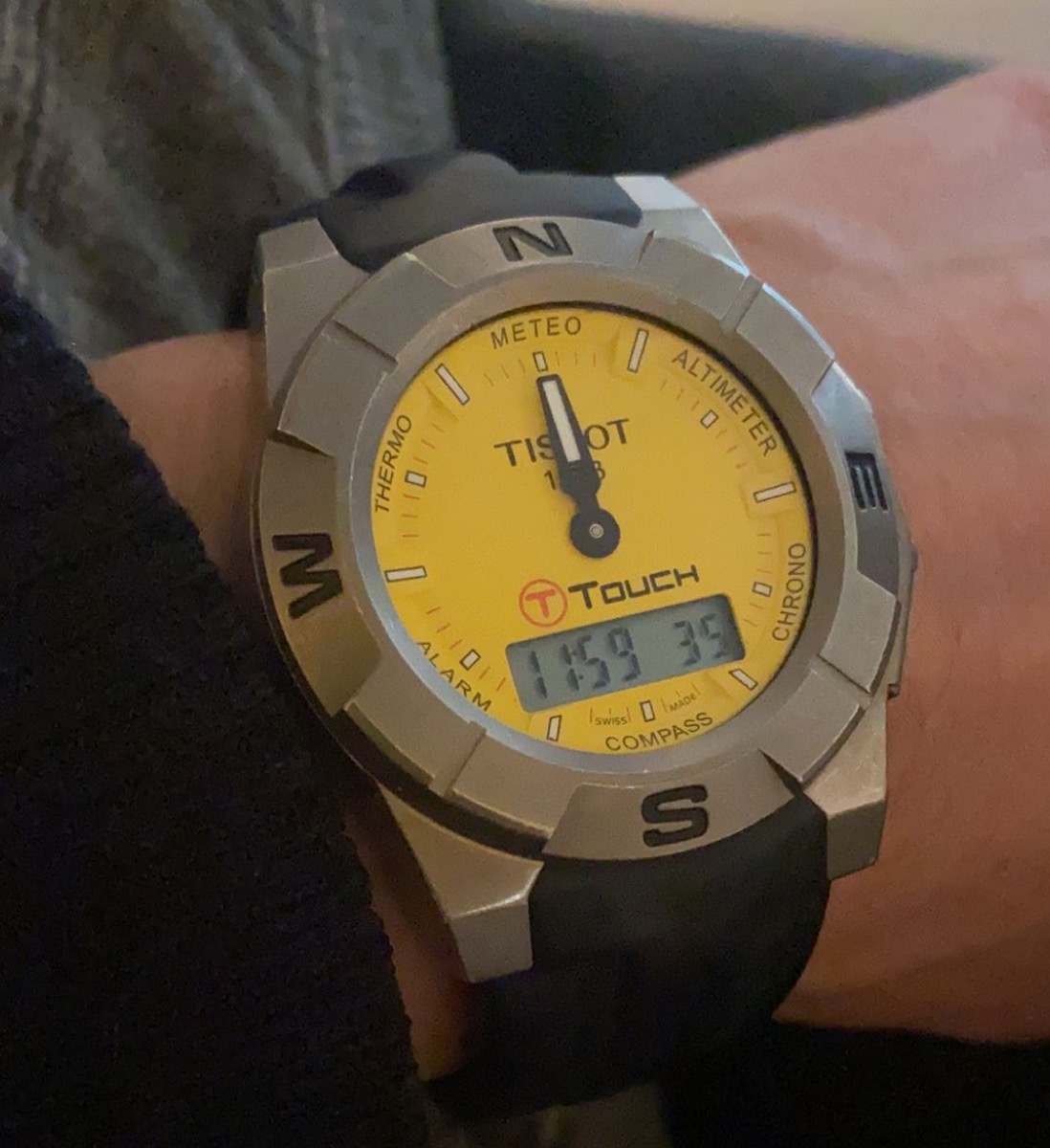
- 1999, T-Touch: One of the first touch-screen watches — tap the crystal to reach the compass, altimeter or barometer. It put the idea of a touch-controlled wristwatch on the wrist long before smartwatches.
- 2013, Powermatic 80: Tissot's automatic movement with an 80-hour power reserve, enough to take the watch off on Friday evening and find it still running on Monday morning. Tissot Le Locle is one of its most classic expressions.
- Visodate: A modern take on the 1950s automatic with a date display. See Tissot Heritage Visodate.
Official timekeeper of world sport
Tissot first served as an official timekeeper in 1938, at ski races in Switzerland. Today it is the official timekeeper of MotoGP, the Tour de France and, since the 2015–16 season, the NBA, and it works with the cycling (UCI), ice hockey (IIHF), basketball (FIBA) and fencing federations. The logo under the shot clock at an NBA game belongs to a brand founded in Le Locle.
Frequently asked questions
Where is Tissot from? Switzerland. The brand was founded in Le Locle in 1853 and is still headquartered there.
Is Tissot Swiss made? Yes. Its watches follow the "Swiss Made" rules: Swiss movement, cased and finally inspected in Switzerland, with at least 60% of the manufacturing cost generated there.
Who owns Tissot? Tissot belongs to the Swiss Swatch Group, which also owns Omega, Longines, Hamilton, Rado and Swatch.
Are Tissot and Omega the same company? Both are Swatch Group brands. Their partnership goes back to the founding of SSIH in 1930.
You can find all our Tissot stories on the Tissot brand page.
Related Stories
More stories from the same category
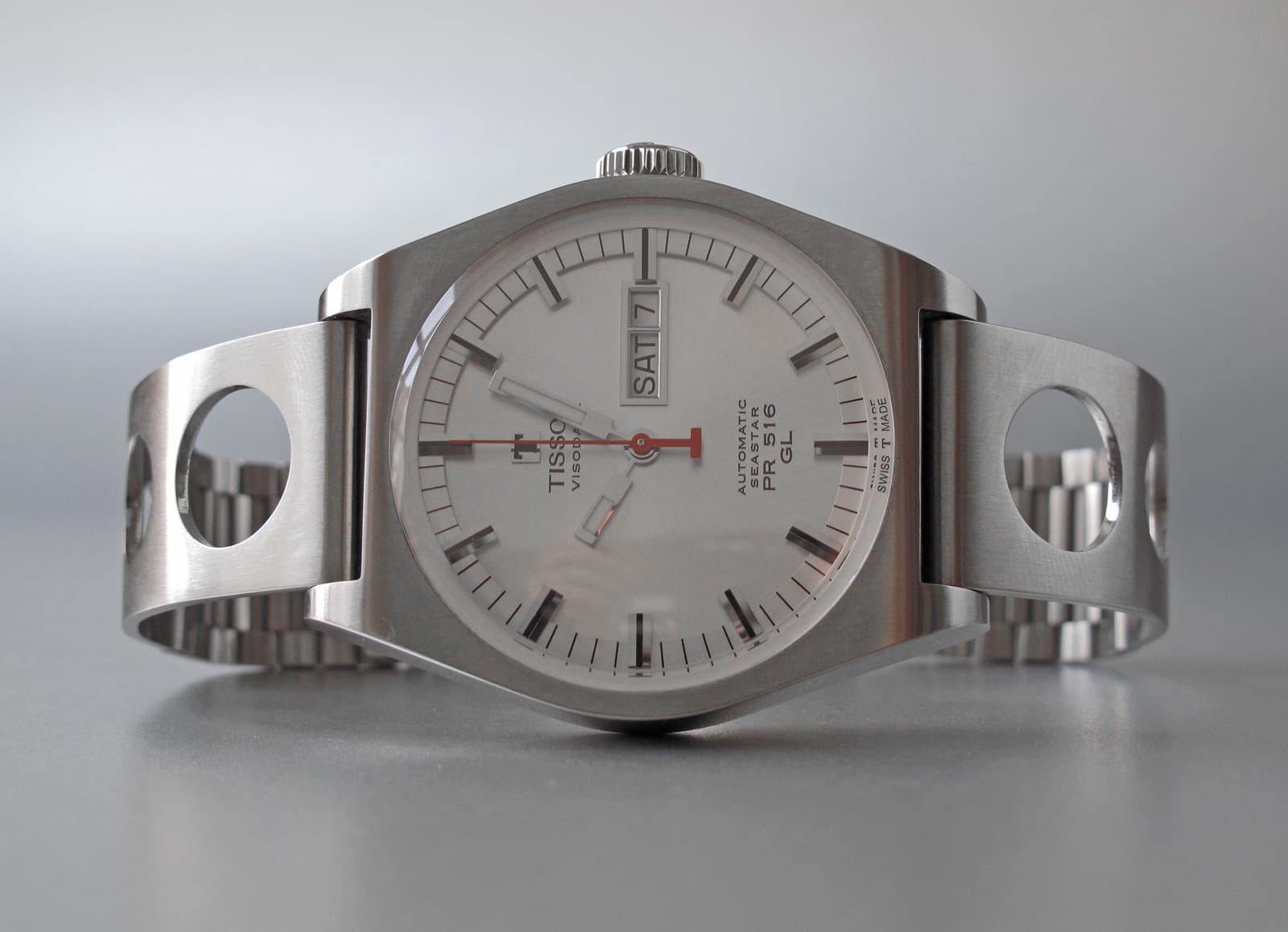
🕰️ The Memory of Time: Tissot Heritage Visodate
Some watches tell time. Others keep its memory. The Tissot Heritage Visodate is not about seconds or precision — it’s about remembering how time once felt. It carries the quiet rhythm of the past into the heartbeat of today.
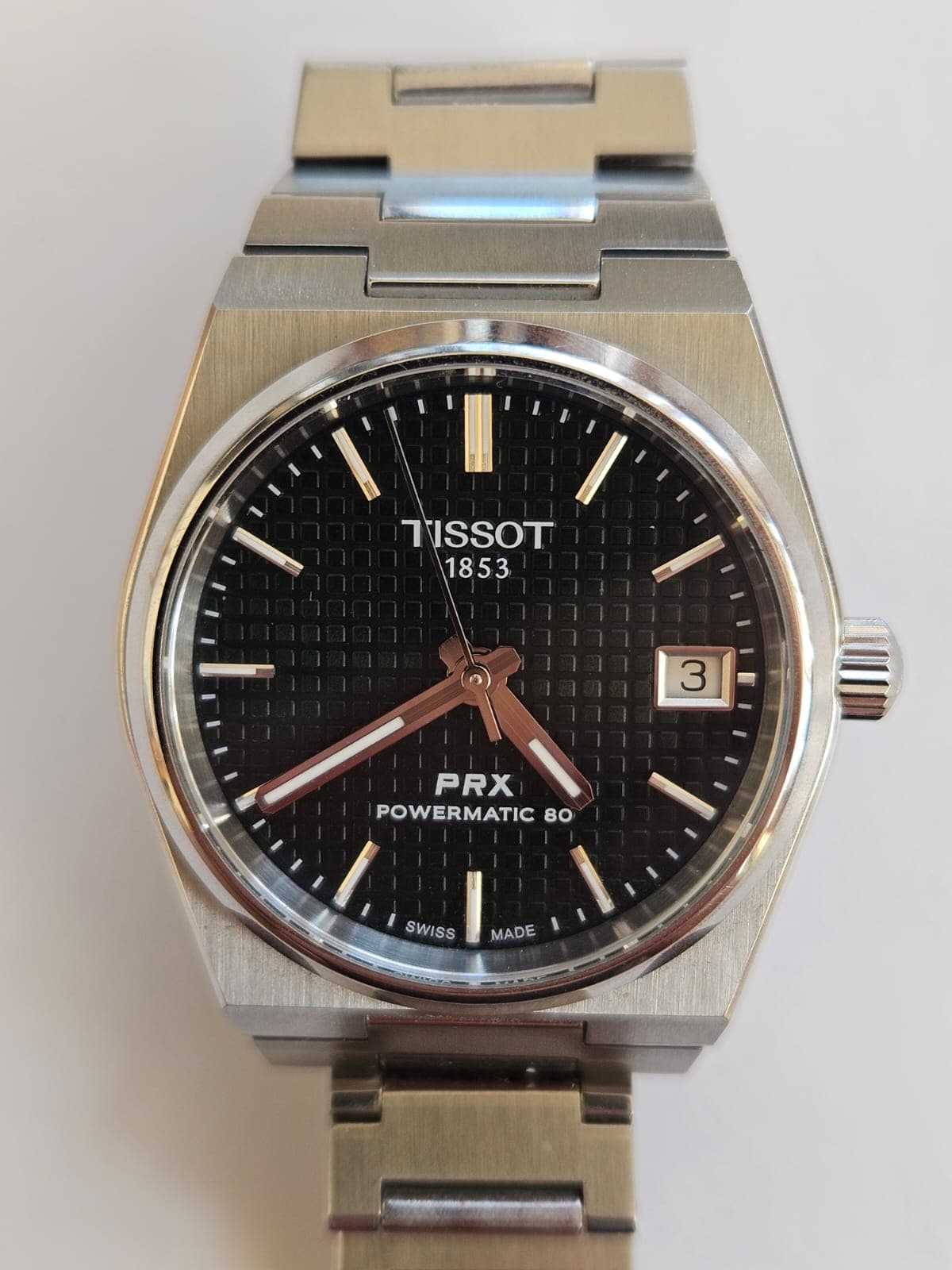
⌚ Timeless Power – Tissot PRX Powermatic 80
Some designs never grow old they just wait for the right time to return. The Tissot PRX Powermatic 80 isn’t just a revival of the past; it’s proof that true style never fades, it simply evolves. This watch doesn’t shout for attention. It has the quiet confidence of something that knows exactly what it is strong, precise, and timeless.
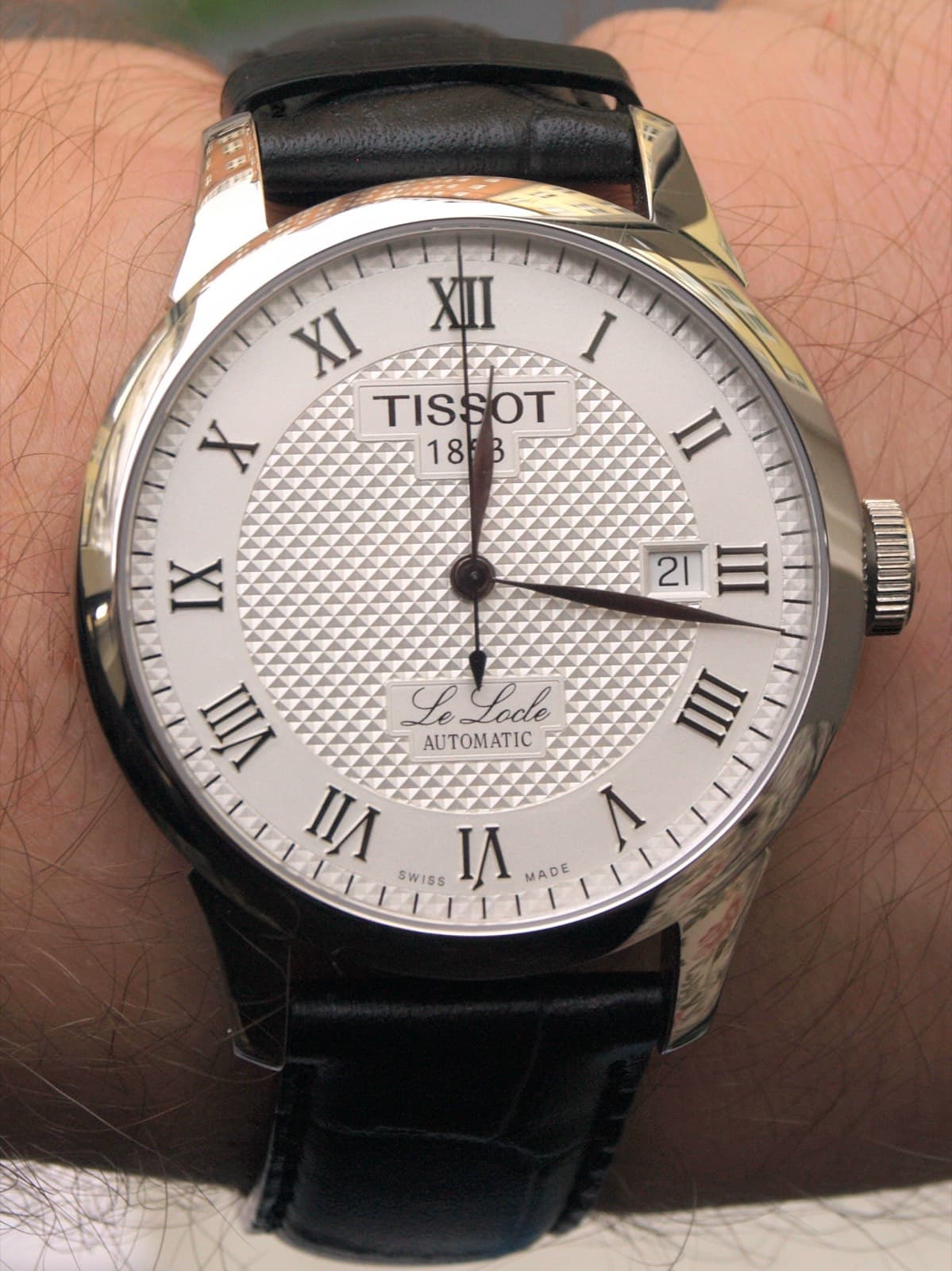
🕰️ In the Heart of Time – The Story of the Tissot Le Locle Powermatic 80
High up in the Jura Mountains of Switzerland, there’s a quiet little town where time itself seems to move differently. The streets of Le Locle whisper the rhythm of ticking clocks, and behind fogged windows, generations of craftsmen once shaped the heartbeat of an entire industry. It was here, in 1853, that Charles-Félicien Tissot and his son Charles-Émile founded their small workshop — not to chase time, but to give it meaning. And more than a century and a half later, the town’s name lives on… etched on the dial of a watch that still beats with that same spirit: the Tissot Le Locle Powermatic 80.