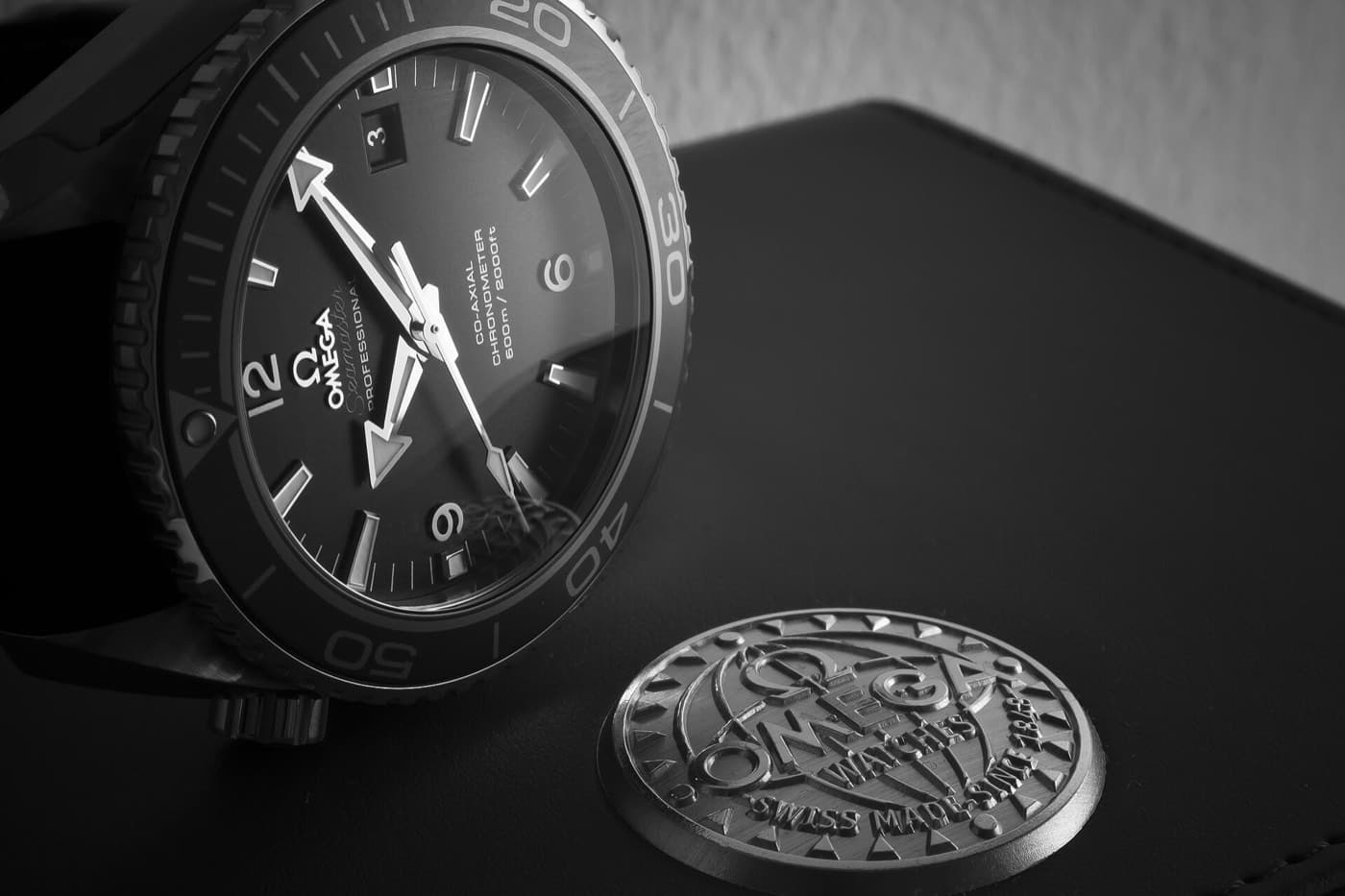
Omega Speedmaster Moonwatch: First Watch on the Moon
The Omega Speedmaster began in 1957 as a racing chronograph, passed NASA's tests in 1965 and reached the Moon on Buzz Aldrin's wrist in 1969. The full story.
Watch the short video · in Turkish
The video loads from YouTube only when you press play.
Short answer: The first watch worn on the Moon was an Omega Speedmaster Professional. In July 1969, Apollo 11 astronaut Buzz Aldrin walked on the lunar surface with his Speedmaster strapped over his spacesuit. Neil Armstrong's Speedmaster stayed inside the lunar module. The Speedmaster was the only chronograph to pass the punishing tests NASA completed in 1965.
The watch we now call the "Moonwatch" was not designed for space at all; it was built for racing. This story explains how the Speedmaster has changed since 1957, how NASA chose it, and exactly whose wrist it was on when it reached the Moon.
1957: Born as a racing chronograph
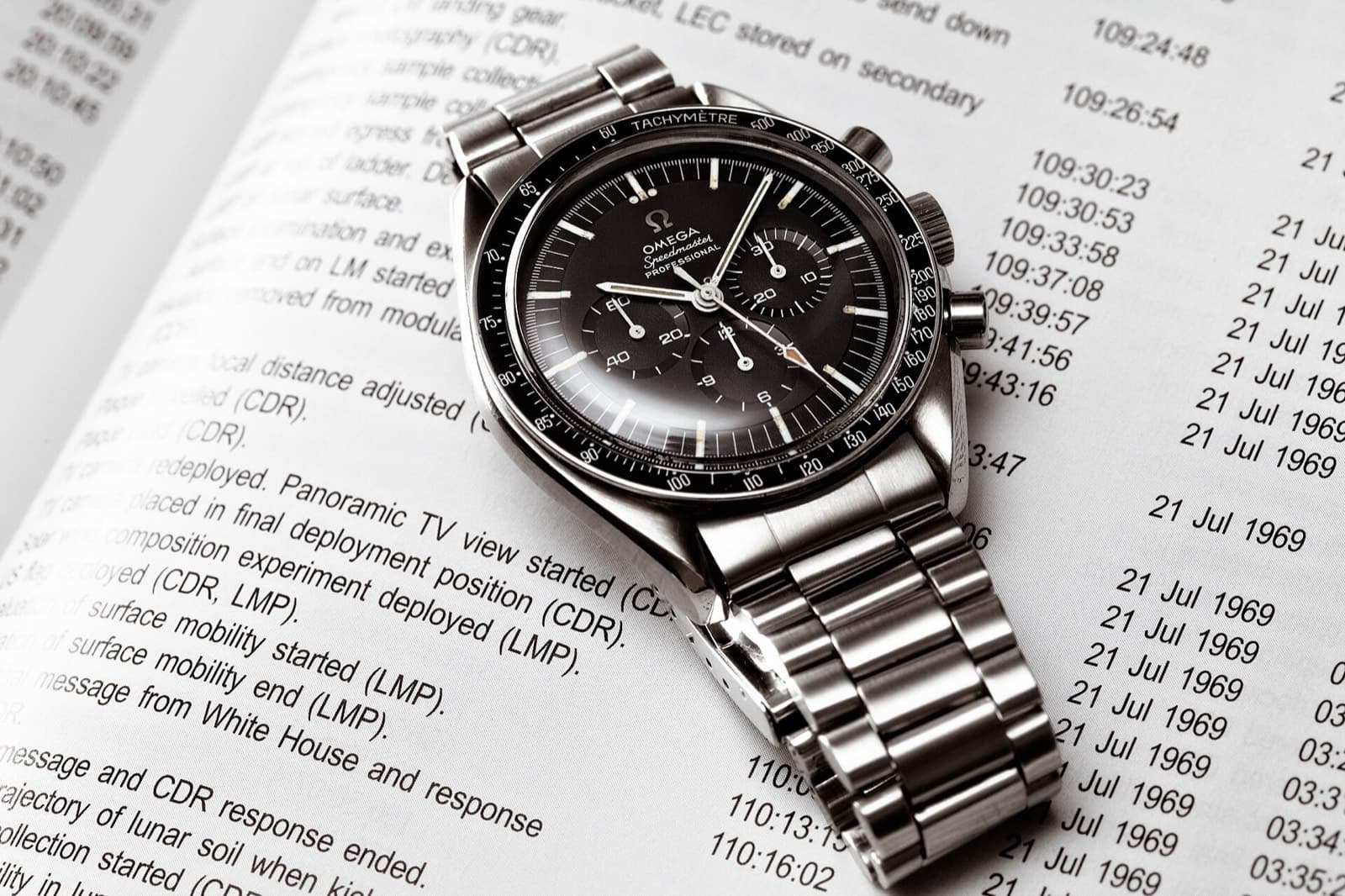
Omega introduced the Speedmaster in 1957 as reference CK 2915. Inside was the hand-wound Calibre 321 chronograph movement, developed from a Lemania design. The watch was named after its most distinctive feature: the tachymeter scale sat on the bezel rather than on the dial. With it you could time how long you took to cover a set distance and read off your average speed.
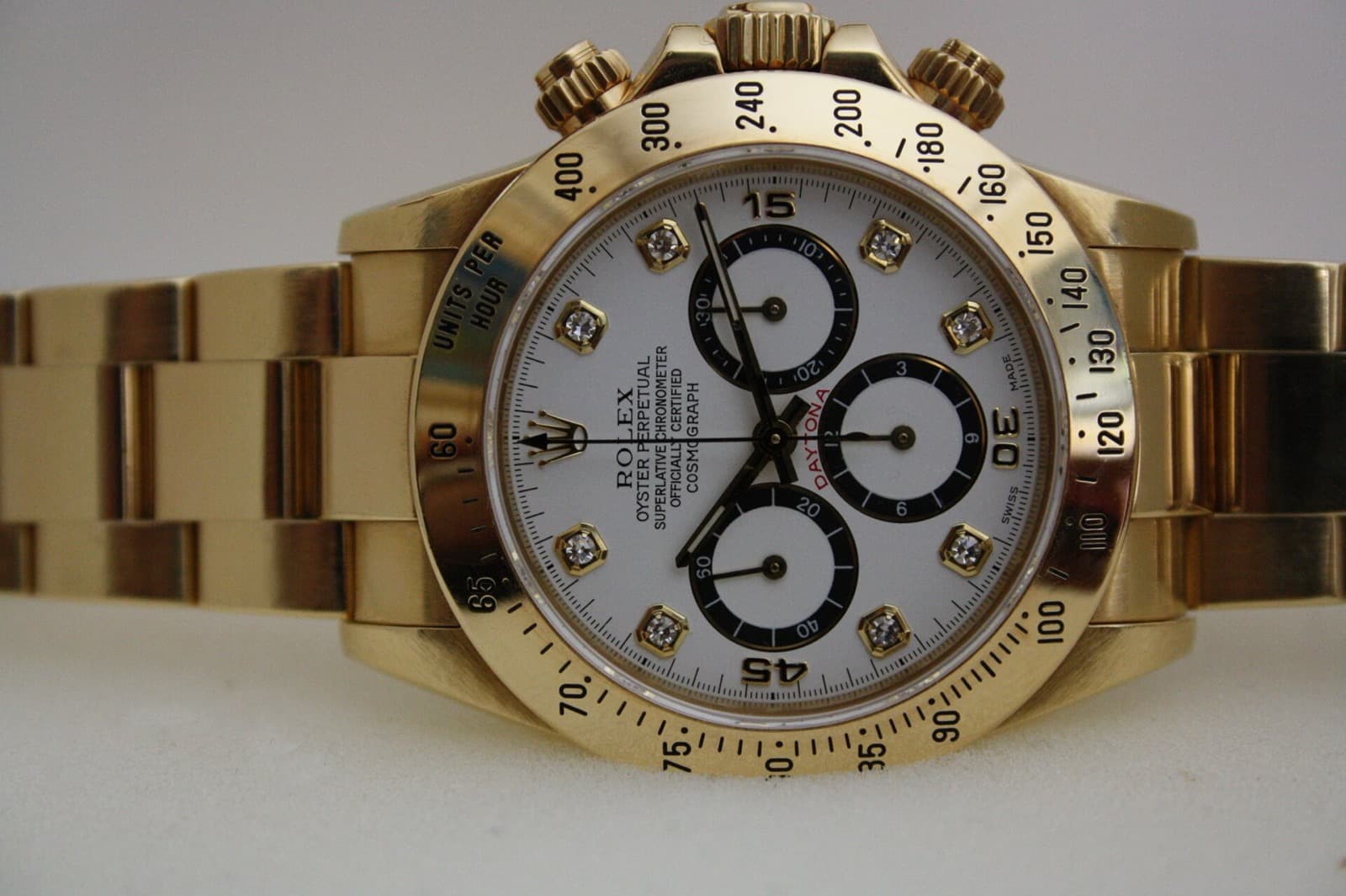
In other words, the Speedmaster started life as a chronograph for drivers and sportsmen. We cover the link between tachymeter chronographs and motor racing in our story on the Rolex Daytona.
When did it first go to space?
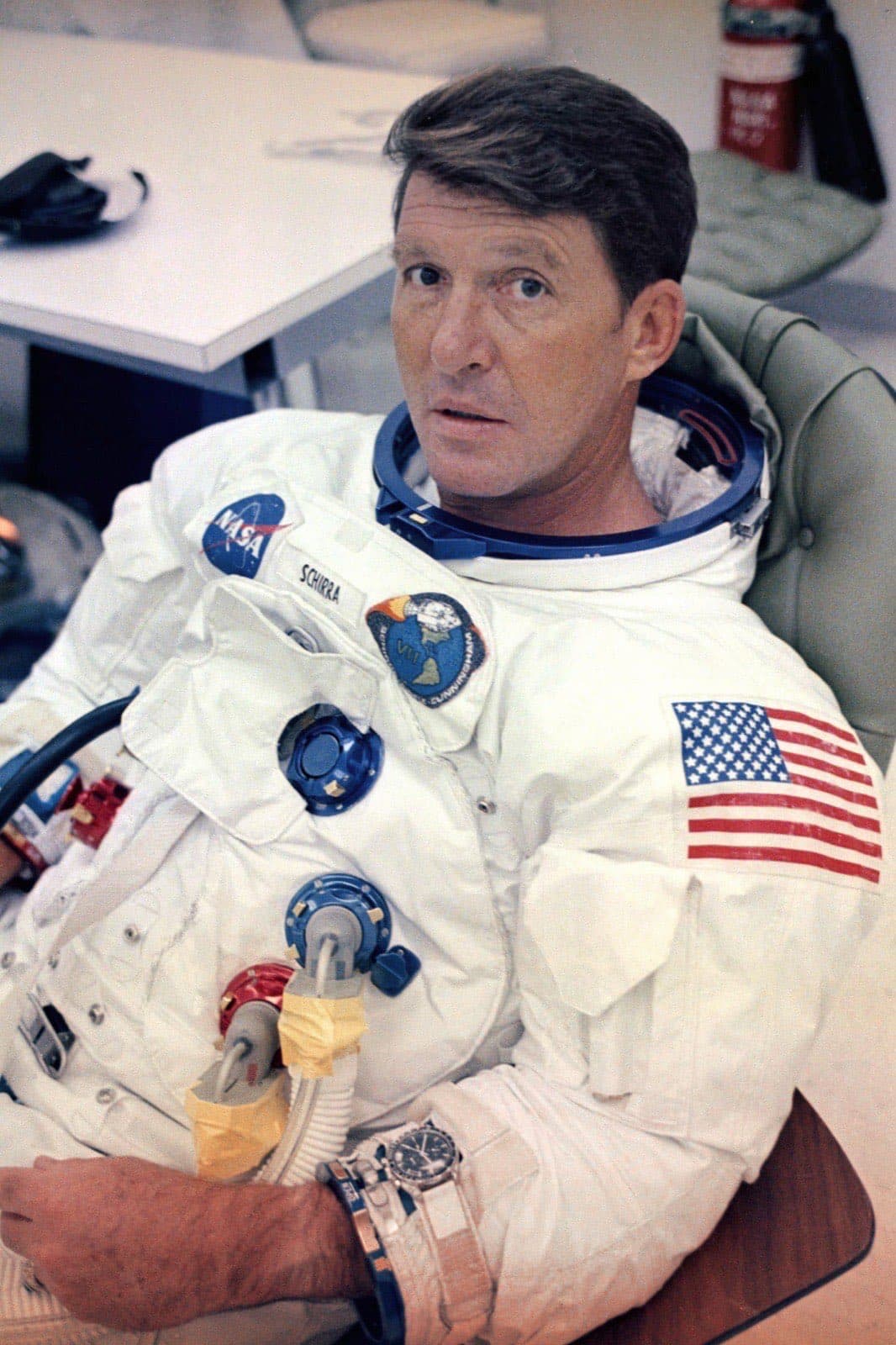
The Speedmaster went to space before NASA chose it, on the wrist of an astronaut who had bought his own. During the Mercury programme's Sigma 7 flight in 1962, Wally Schirra wore a Speedmaster CK 2998 he had purchased privately. It was not an official selection; the watch was simply his.
How did NASA choose the Speedmaster?
In 1964 NASA set out to find an official chronograph for its astronauts. On 21 September 1964, Director of Flight Crew Operations Deke Slayton wrote a memo calling for a durable, accurate chronograph, and NASA engineer James Ragan sent a request for quotation to about ten manufacturers.
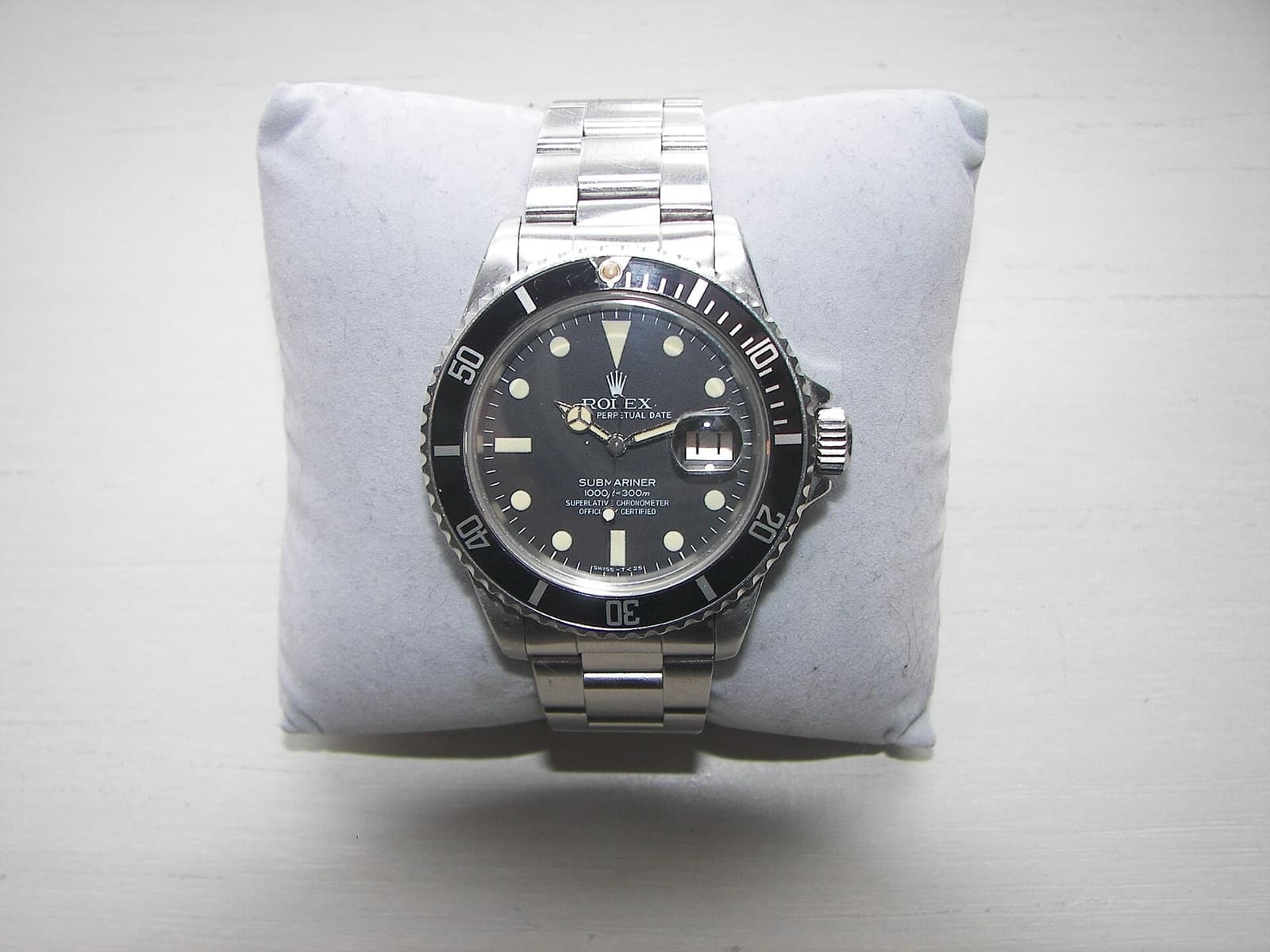
Four brands responded: Rolex, Longines-Wittnauer, Hamilton and Omega. Hamilton was ruled out because it sent a pocket watch instead of a wristwatch (we tell Hamilton's own story in Where is Hamilton from?). The remaining three chronographs went through 11 tests, including:
- High temperature: 48 hours at 71 °C (160 °F), then 30 minutes at 93 °C (200 °F) in a partial vacuum
- Low temperature: 4 hours at −18 °C (0 °F)
- Humidity: 250 hours at 95% relative humidity
- Also: pure oxygen, shock, acceleration, low and high pressure, vibration and acoustic noise
The Rolex 6238 failed the humidity and high-temperature tests, and the Longines-Wittnauer 235T failed the high-temperature test. When testing ended in March 1965, only the Omega Speedmaster was left standing.
It soon faced its first big job. On 3 June 1965, Ed White made the first American spacewalk during Gemini 4, wearing a Speedmaster 105.003 over his suit.
1969: Whose wrist was it on?
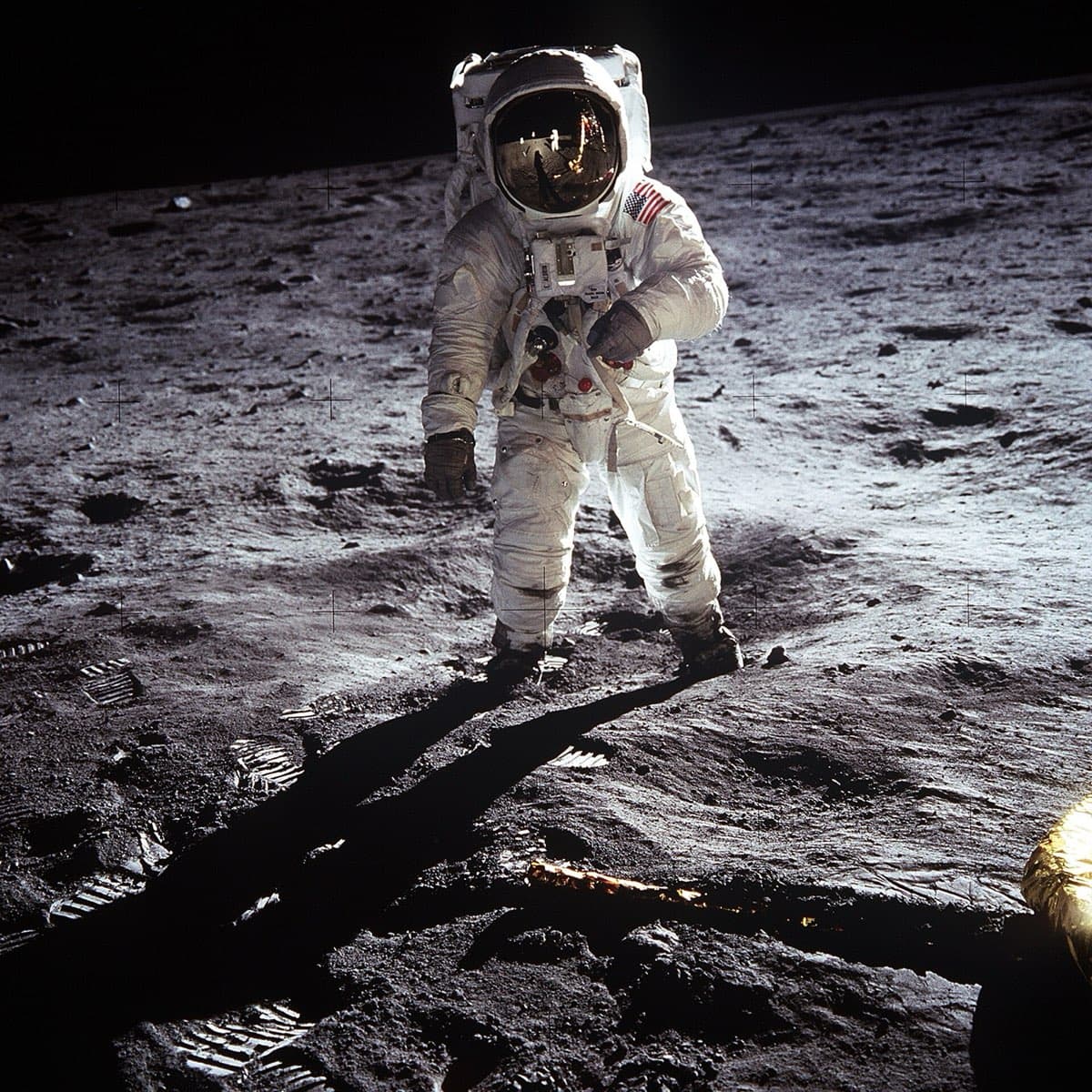
The most common mistake about the Speedmaster is the claim that Armstrong and Aldrin both wore one on the Moon. That is not what happened.
The electronic timer in Apollo 11's lunar module, Eagle, was not working properly. So mission commander Neil Armstrong left his Speedmaster inside the lunar module as a backup timer. When Armstrong took the first step onto the Moon at 02:56 GMT on 21 July 1969, he had no watch on his wrist.
About 19 minutes later Buzz Aldrin climbed down the ladder with his Speedmaster strapped over the sleeve of his spacesuit. That made Aldrin's Speedmaster the first watch worn on the lunar surface.
NASA engineer James Ragan summed up the watch's role: if the astronauts lost contact with the ground or lost their digital timers, the only thing left to rely on was the Omega on their wrist. According to Omega, the Speedmaster was part of all six Moon landings.
Apollo 13: A 14-second burn
Perhaps the Speedmaster's most critical job came on a mission that never landed. On Apollo 13 in 1970, an oxygen tank exploded, the Moon landing was abandoned and the crew had to find a way home. The return required an engine burn of exactly 14 seconds, and astronaut Jack Swigert timed it with his Speedmaster.
The Apollo 13 astronauts later gave Omega the Snoopy Award, an honour astronauts present at NASA, for that contribution.
From Calibre 321 to 3861
The Speedmaster has looked much the same since the 1960s, but the movement inside has changed several times:
| Period | Calibre | What changed? |
|---|---|---|
| 1957–1968 | 321 | Movement of the first Speedmasters and the Apollo 11 watches. Column wheel, hand-wound. |
| From 1968 | 861 (later 1861) | A cam replaced the column wheel; the beat rose from 18,000 to 21,600 vibrations per hour. |
| 2019 | 321 (revived) | Omega began making the old calibre again. |
| From 2021 | 3861 | Co-Axial escapement and Master Chronometer certification. |
One thing has not changed: the classic Moonwatch is still hand-wound. To keep it running you turn the crown every day or two.
In the mid-1960s the word "Professional" was added to the dial. "Moonwatch" began as a nickname after the landing and is now part of the model's official name.
Today's Moonwatch at a glance
| Omega Speedmaster Moonwatch Professional | |
|---|---|
| Reference (steel, Hesalite crystal, steel bracelet) | 310.30.42.50.01.001 |
| Case diameter | 42 mm |
| Case material | Stainless steel |
| Movement | Omega 3861, hand-wound chronograph |
| Power reserve | 50 hours |
| Water resistance | 50 m (5 bar) |
| Crystal | Hesalite (a sapphire version is also made) |
| Magnetic resistance | 15,000 gauss |
Frequently asked questions
What watch went to the Moon? The Omega Speedmaster Professional. It became the first watch worn on the lunar surface with Apollo 11 in 1969, and according to Omega it was used on all six Moon landings.
What watch did Neil Armstrong wear on the Moon? None. Armstrong also had a Speedmaster, but because the lunar module's timer was faulty he left it inside as a backup. The man who wore a watch on the Moon was Buzz Aldrin.
Is the Omega Speedmaster automatic? The classic Moonwatch is not automatic; it is hand-wound. The wider Speedmaster family includes automatic models, but the model NASA chose, sold today as the Moonwatch, is wound by hand.
What is the difference between the Speedmaster and the Seamaster? The Speedmaster is a chronograph known for the space programme; the Seamaster is Omega's dive watch line. We tell the Seamaster's link with 007 in What watch does James Bond wear?
Is the Moonwatch waterproof? The current Moonwatch is water resistant to 50 metres (5 bar). It handles rain and hand-washing, but it is not a dive watch. For more Omega stories, see our Omega page.
Sources
- Omega Speedmaster – Wikipedia
- Celebrating 60 Years Of The Omega Speedmaster Becoming NASA Flight-Qualified – Fratello
- The Omega Speedmaster Professional Moonwatch – Swatch Group archive
- Speedmaster Moonwatch Professional 310.30.42.50.01.001 – Omega
- Omega Speedmaster that went to the Moon – collectSPACE