Where Is Omega From? Swiss Since 1848
Omega was founded in 1848 in La Chaux-de-Fonds, Switzerland, has been based in Biel/Bienne since 1880 and belongs to the Swatch Group. Who owns Omega and what does the name mean? Read on.
Short answer: Omega is a Swiss brand. It was founded in 1848 in La Chaux-de-Fonds, a Swiss watchmaking town, has been based in Biel/Bienne since 1880, and today belongs to the Swatch Group. Its watches are made in Switzerland and their dials read "Swiss Made".
That answer is less ordinary than it sounds. Rolex was born in London, Hamilton in America. Omega is one of the brands that were born in Switzerland and never left. This story follows how a pocket-watch workshop became the maker of the watch that went to the Moon.
1848: A workshop in La Chaux-de-Fonds
Omega's story began in 1848 in a small workshop that Louis Brandt opened in La Chaux-de-Fonds. Brandt did not make every part himself: he gathered parts made by local craftsmen in their homes and assembled them into precision key-wound pocket watches. He sold them across Europe, from Italy to Scandinavia; his biggest market was Britain.
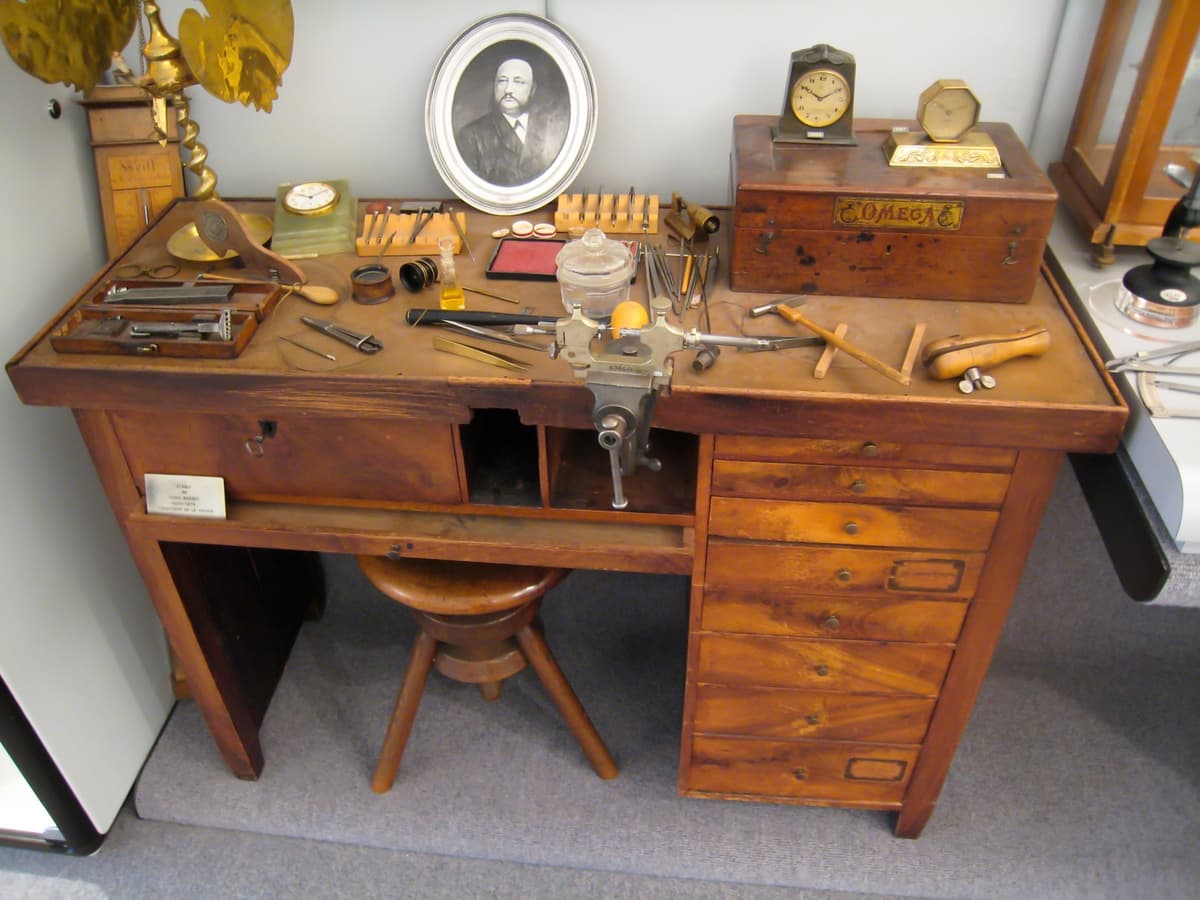
In 1877 his sons Louis-Paul and César joined him, and the company became Louis Brandt & Fils.
1880: The move to Biel
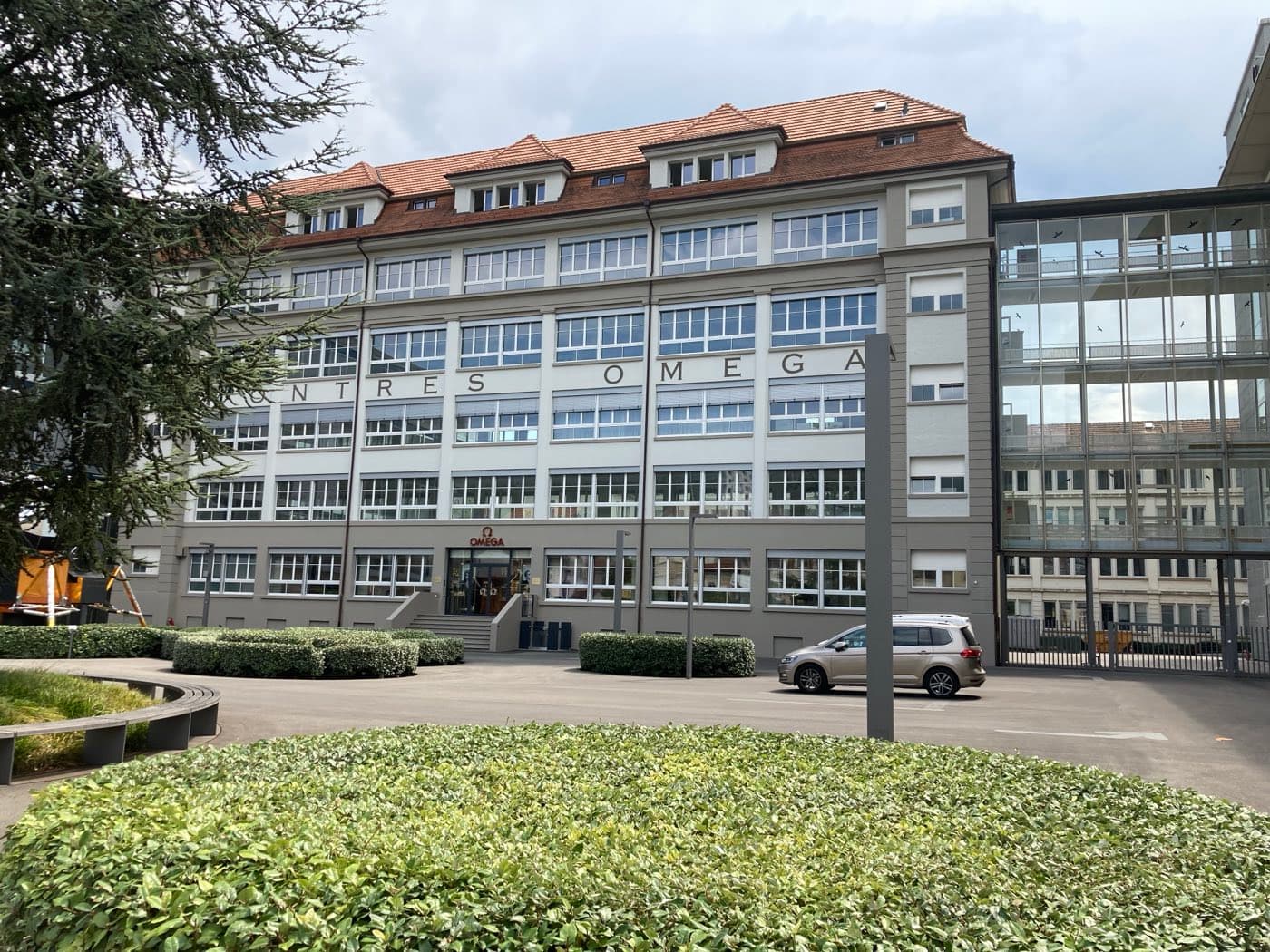
Louis Brandt died in 1879. A year later, in 1880, his sons moved production to Biel/Bienne, at the foot of the Jura mountains. Omega has been based there ever since. The building marked "Montres Omega" on the cover is part of the Omega site in Biel.
Biel is now one of the capitals of Swiss watchmaking. Besides Omega, it is home to the Swatch Group's headquarters and to Rolex's movement factory.
1894: The calibre that named the brand
In the 1890s the Brandt brothers decided to bring production entirely under their own roof. They developed a new movement with interchangeable parts, suited to series production, and in 1894 launched it as the Omega calibre.
The name was deliberate. Ω (omega) is the last letter of the Greek alphabet, used to mean the final point: completion and perfection. The brothers wanted to say the new movement was the best that could be done.
The calibre was so successful that the product's name outgrew the company's. In 1903 the company took the name Omega too. That same year both brothers died, leaving a firm that made 240,000 watches a year and employed 800 people in the hands of four young people, the oldest not yet 24.
Under one roof with Tissot
The economic troubles that followed the First World War pushed Omega to look for a partner. Paul-Emile Brandt, then running the company, brought Omega together with another Swiss brand, Tissot, and in 1930 the two merged into a group called SSIH.
In these years Omega built the identity we still know:
- 1932: It was official timekeeper of the Olympic Games for the first time, in Los Angeles, a role it still holds.
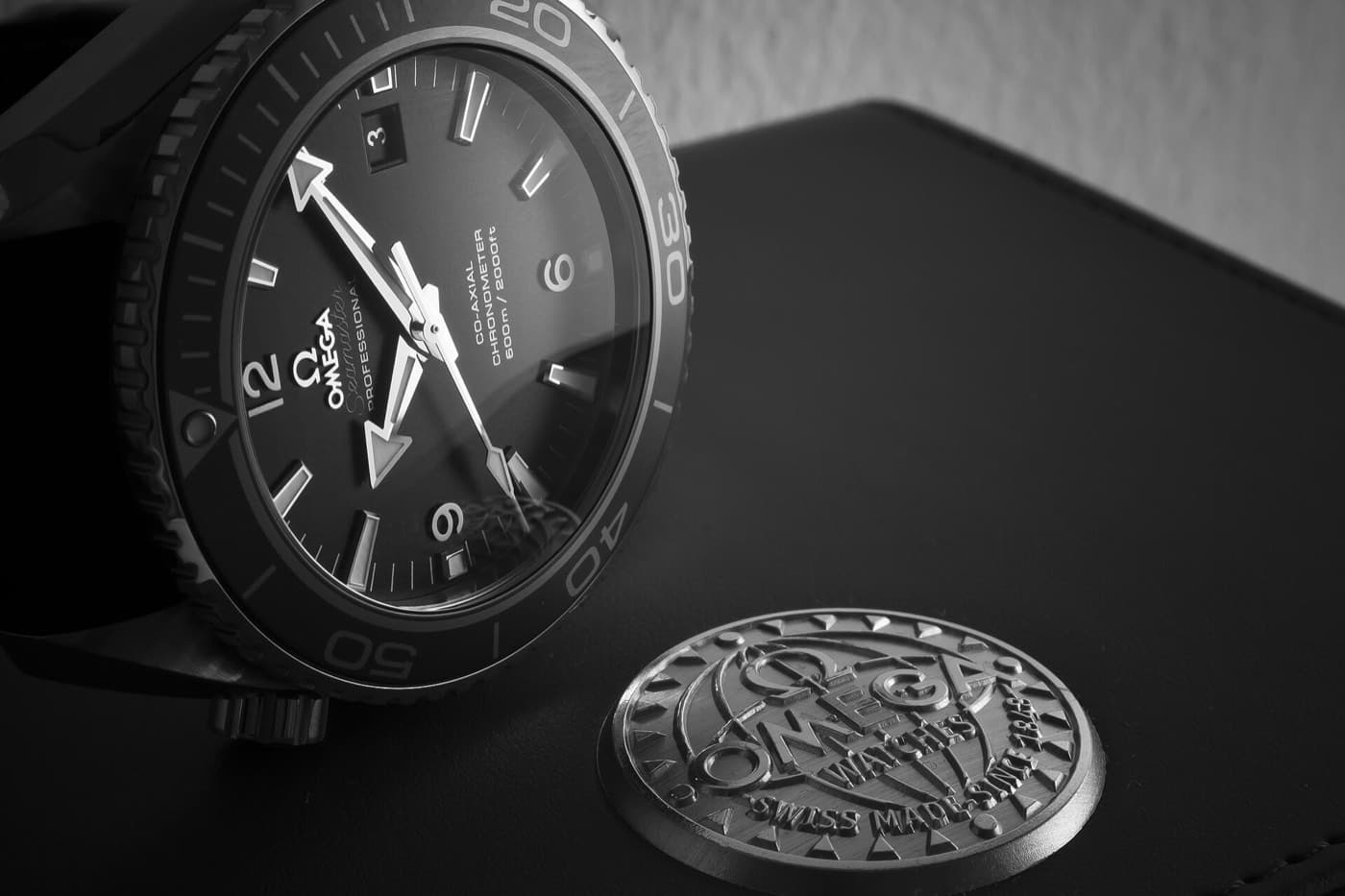
- 1948: The water-resistant Seamaster line arrived. Years later the Seamaster became James Bond's watch; we tell that story in What watch does James Bond wear?
- 1957: The Speedmaster was introduced as a racing chronograph.
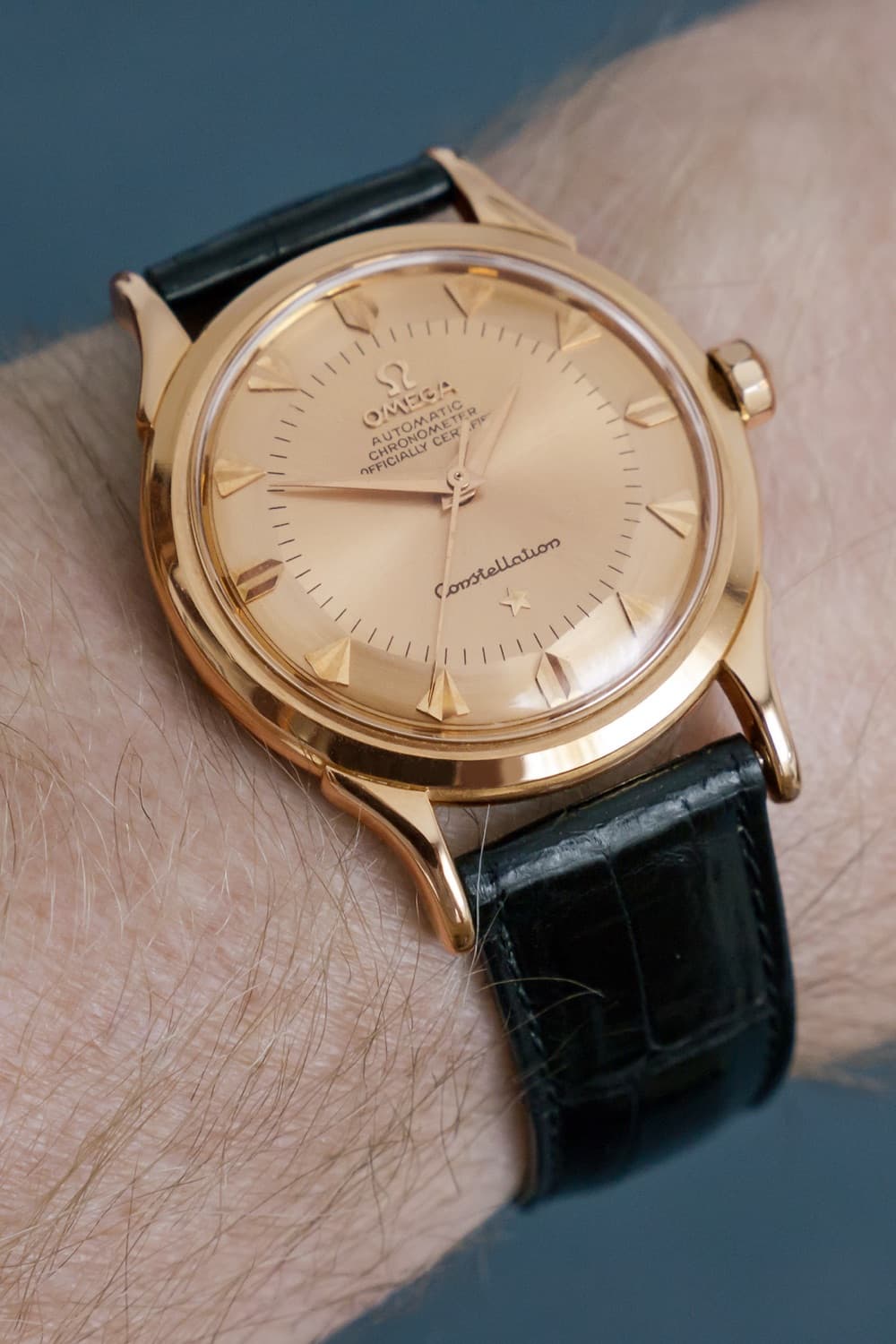
The watch above is a 1958 Constellation. Its dial reads "Chronometer Officially Certified": its accuracy was tested and certified by an independent body.
The Swiss watch that went to the Moon
The watch that made Omega famous worldwide was not designed for the Moon. When NASA looked for a watch for its astronauts in the 1960s, it put the three finalist chronographs (Rolex, Longines-Wittnauer and Omega) through harsh tests in extreme heat, cold and vacuum. The Speedmaster survived them and was qualified for all crewed space missions in March 1965.
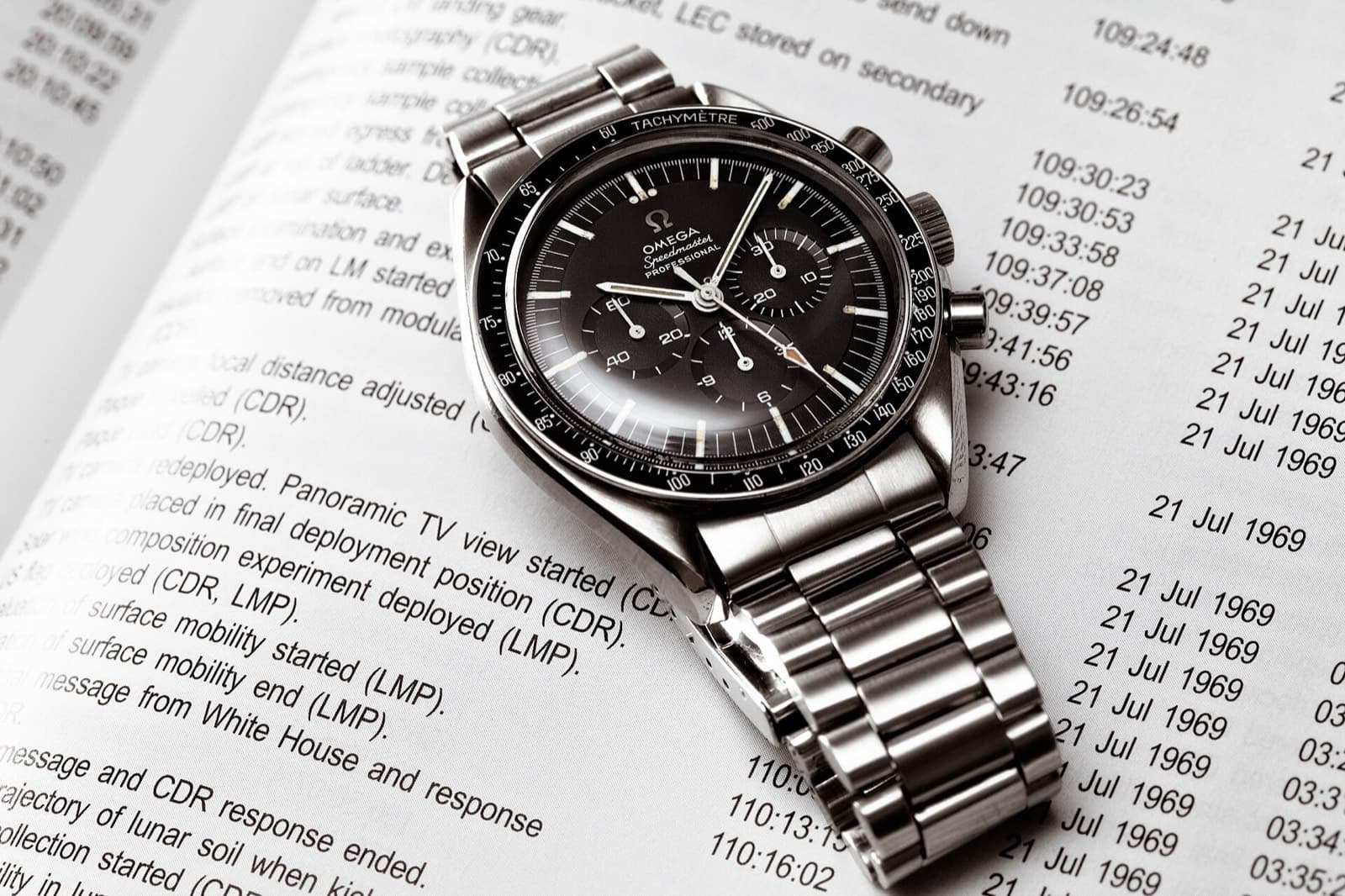
In July 1969, during Apollo 11, Buzz Aldrin wore a Speedmaster on the Moon. That is where the "Moonwatch" nickname comes from. We tell the full story in Omega Speedmaster Moonwatch.
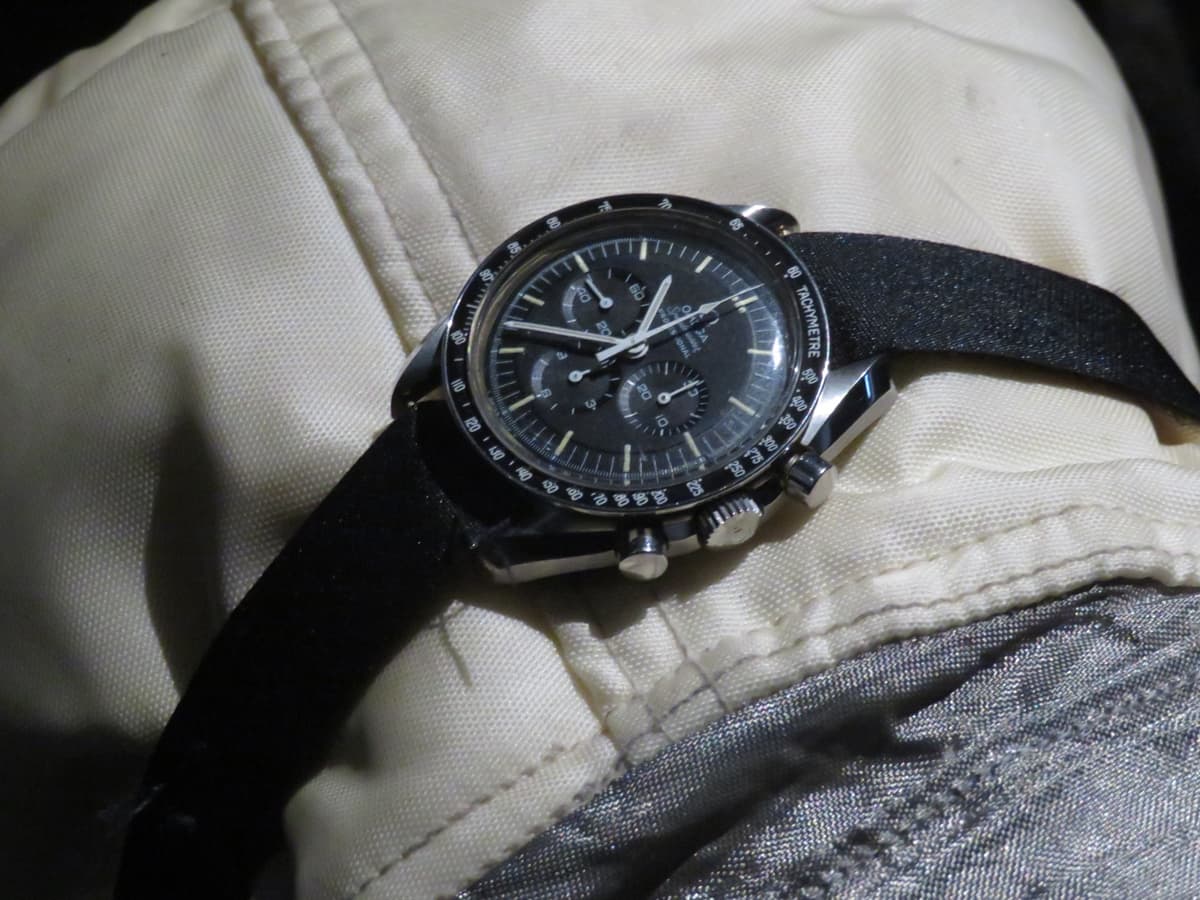
The watch in the photo belonged to Ron Evans, command module pilot of Apollo 17, the last Apollo mission in 1972. On the way home Evans made a spacewalk between the Earth and the Moon.
Who owns Omega?
In the 1970s, as Japanese quartz watches took over the market, Swiss watchmaking fell into the worst crisis in its history. SSIH was bailed out by banks in 1981; in that period Seiko was even said to be interested in buying Omega, but nothing came of it.
The way out came from merging Switzerland's two big watch groups. In 1983 SSIH merged with ASUAG, the group that owned Longines, Rado and Hamilton. Two years later the group passed to investors led by Nicolas Hayek, and in 1998 it took its current name: the Swatch Group.
So today Omega sits under the same roof as Tissot, Longines, Hamilton and Swatch. We explain what the "Swiss Made" label means in Where is Tissot from?
Omega or Rolex?
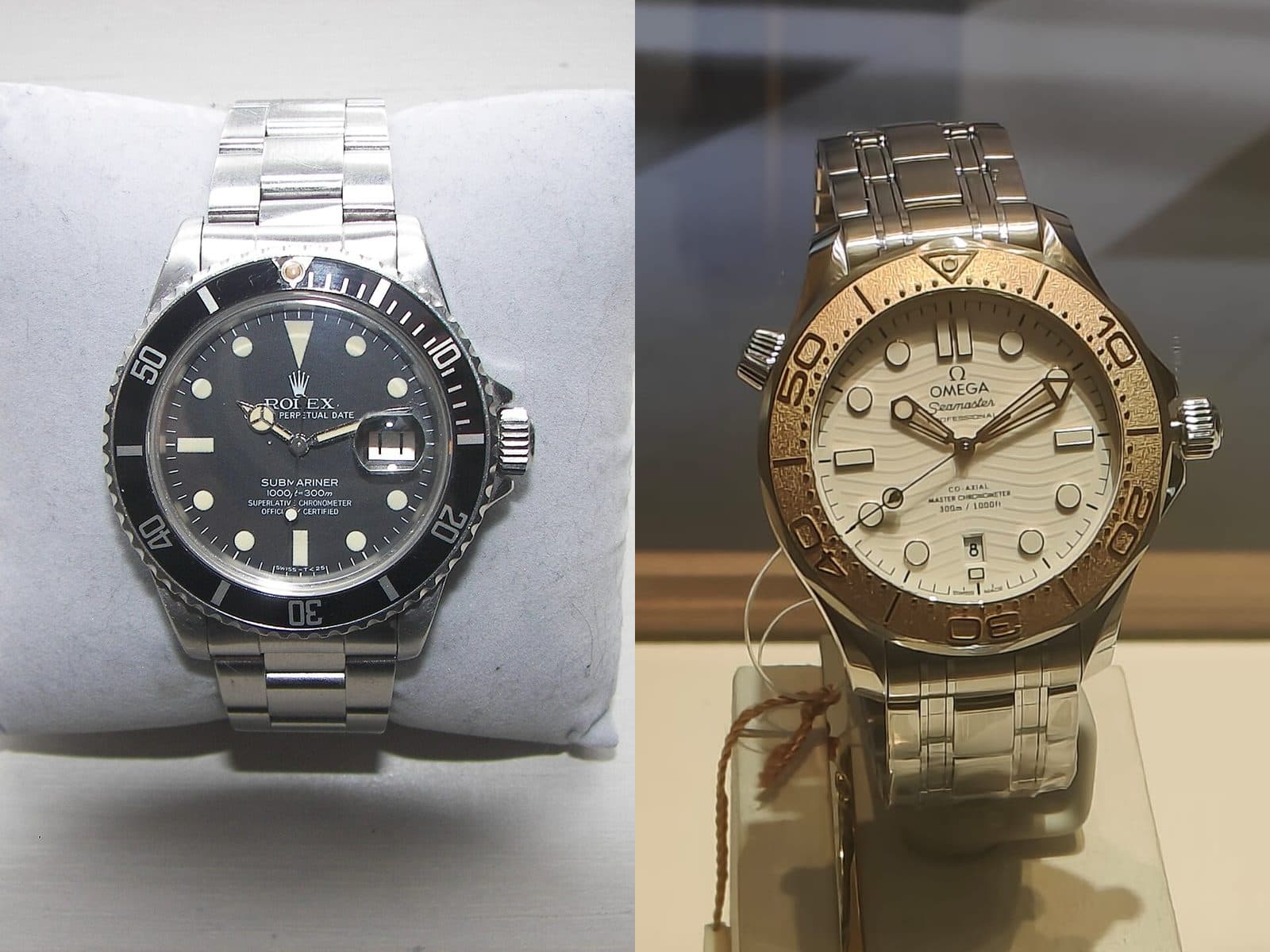
Omega is most often compared with Rolex. Both are Swiss, and both have legendary dive watches: Rolex's Submariner and Omega's Seamaster. The difference lies mostly in their stories: Rolex was founded in London, moved to Geneva in 1919 and is owned by an independent foundation; Omega was born in Switzerland and is part of a large group. We put the two watches side by side in Rolex Submariner vs Omega Seamaster.
Frequently asked questions
Where is Omega from? Switzerland. It was founded in 1848 in La Chaux-de-Fonds and has been based in Biel/Bienne since 1880.
Where are Omega watches made? In Switzerland. Omega watches are made there and their dials read "Swiss Made".
Who owns Omega? The Swatch Group. Omega joined it when SSIH, the group it formed with Tissot in 1930, merged with ASUAG in 1983.
Are Omega and Tissot the same company? Both belong to the Swatch Group, but they are separate brands. They have been under the same roof since 1930.
What does the name Omega mean? Ω is the last letter of the Greek alphabet. The Brandt brothers gave the name to the calibre they launched in 1894 to mean "perfection", and the company took the name in 1903.
What are Omega's most famous models? The Speedmaster that went to the Moon, the Seamaster worn by James Bond and the classic Constellation. For all of the brand's stories, see our Omega page.